

Blog
Engaging Introduction
Problem: Mutton is universally celebrated for its rich, deep flavor, making it the crown jewel of traditional Indian dining. However, cooking red meat can be incredibly intimidating. The most common kitchen frustration is ending up with a dish where the meat is tough, chewy, or stringy—even after hours of standing over a hot stove.
Impact: Serving tough meat completely ruins the dining experience, wastes premium ingredients, and deflates your culinary confidence. Many home cooks blame their recipe or spices when, in reality, the failure happens before the stove is even turned on. Using a subpar or incorrect cut of meat means it will never achieve that coveted melt-in-your-mouth texture.
Solution: The secret to culinary success lies entirely in understanding meat anatomy and sourcing. Choosing a specialized, expertly butchered mutton curry cut or standard curry cut balances the right ratio of bone, fat, and muscle. When you couple premium livestock from Zresh with the correct cooking methodology, you can transform any ordinary dinner into an extraordinary gourmet feast.
What You’ll Learn
✔ The anatomy of flavor: Shoulder vs. Leg vs. Ribs
✔ Why bone-in mutton curry cut yields superior gravy
✔ The science of breaking down tough muscle fibers
✔ How to identify fresh, high-quality red meat online
✔ Expanding your palate with chicken cubes and seafood alternatives
The Anatomy of Flavor: Understanding Mutton Cuts
Not all meat on the animal cooks the same way. To get the best results, you must match the cut to your cooking method:
The Shoulder (Chaamp & Put): Rich in intramuscular fat and connective tissue. This is the absolute best choice for slow-simmered curries because it remains incredibly juicy.
The Leg (Raan): Leaner and more muscular. Great for minced dishes (keema) or roasting, but can dry out if boiled too aggressively.
The Ribs: Tender and highly flavorful, lending a rich gelatinous body to any gravy.
An expert mutton curry cut combines a precise mix of these sections, giving you the perfect blend of meaty chunks and marrow-filled bones.
The Science of Tenderness: Low and Slow
Toughness in red meat is caused by collagen—the connective tissue that holds muscle fibers together. When cooked rapidly over high heat, collagen contracts and turns rubbery. However, when simmered gently between 75°C and 90°C, a magical transformation occurs: the tough collagen melts into rich, silky gelatin. This gelatin coats the muscle fibers, giving you that luxurious, fall-off-the-bone texture.
Diversifying Your Protein Platters
While mutton rules the dinner table, a great host knows how to balance a menu. For guests who prefer lighter proteins, you can easily adapt traditional slow-cooked rich gravies to poultry or seafood. Searing some tender chicken cubes or a robust chicken curry cut into a korma base takes a fraction of the time. Alternatively, substituting a firm surmai cut (retaining its gorgeous, natural surmai color) or a delicate bone-off singara fish allows you to offer a coastal seafood alternative without changing your spice profile.
The Zresh Quality Standard
At Zresh, our mutton is sourced from young, healthy, pasture-raised livestock. It undergoes rigorous automated hygiene checks under our Zresh and Zresh protocols and is instantly packed using Skyresh vacuum-sealing. This locks in the natural juices and ensures that your meat arrives completely fresh, uncontaminated, and ready to absorb your marinades.
Statistics Section
Culinary science data reveals that slow-cooking red meat on low heat retains up to 30% more natural moisture compared to aggressive pressure cooking.
Over 70% of premium chefs agree that bone-in cuts provide 4x more depth of flavor to stews and curries than purely boneless meat due to marrow release.
Vacuum-sealed meat handled through an uninterrupted cold-chain exhibits a 95% reduction in bacterial exposure compared to traditional open-air butcher shops.
Comparison Table:
Protein Choice | Best Cut Type | Cooking Time | Ideal Dish |
Premium Mutton | Mixed Mutton Curry Cut | 60 – 90 mins | Bhuna Gosht, Nihari, Korma |
Fresh Poultry | Chicken Cubes / Curry Cut | 20 – 25 mins | Butter Chicken, Tikka, Stir-Fry |
Premium Seafood | Surmai Fish Cut / Singhara | 8 – 12 mins | Coastal Fish Curry, Fish Fry |
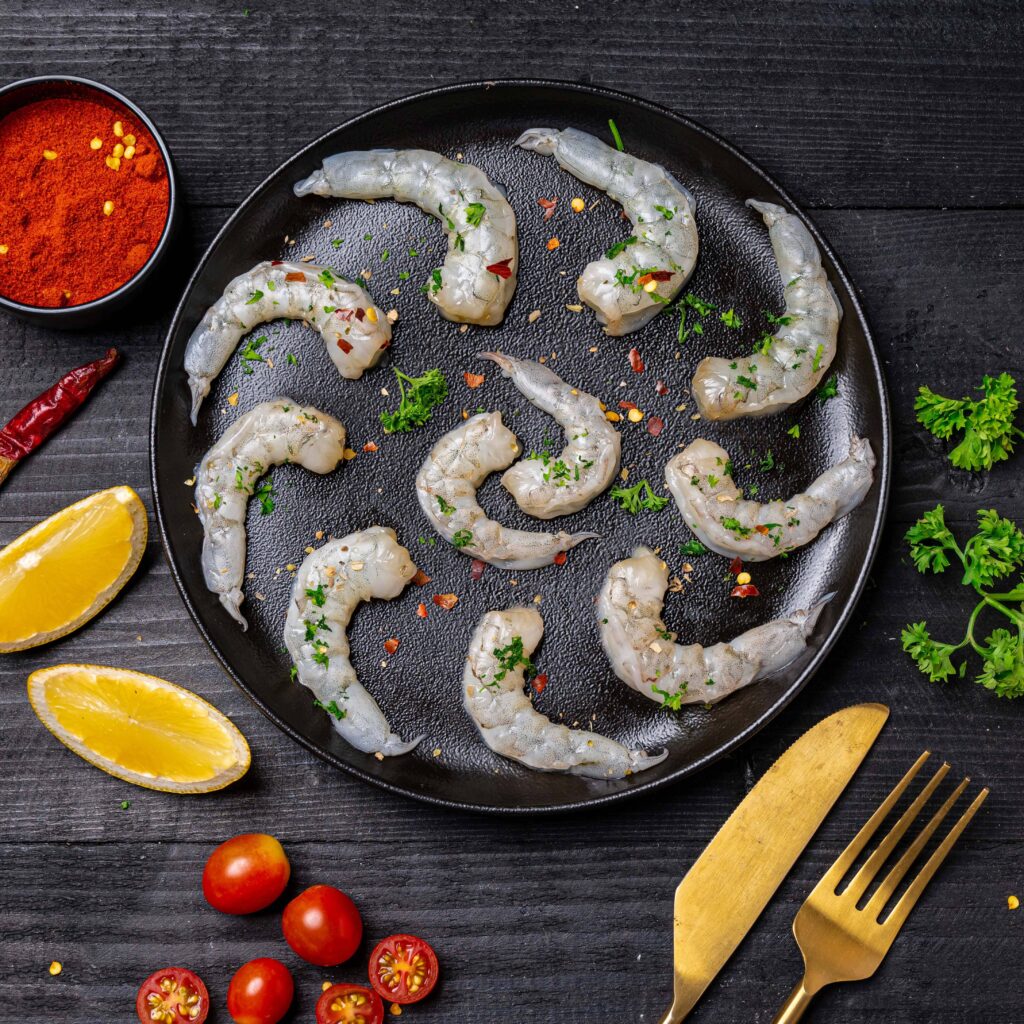
Shellfish | Small Prawns / Small Shrimp | 3 – 5 mins | Garlic Butter Prawns, Biryani |
Real Business Use Case
Case Study: The Quarter-Final Feast
A passionate home cook in New Delhi wanted to host an authentic Mughlai lunch for a group of food critics. Past experiences with local wet markets resulted in inconsistent meat quality—often leading to stringy pieces. She ordered 3 kgs of premium mutton curry cut from Zresh. Because the meat was uniformly butchered from prime-age livestock, the collagen broke down perfectly during a 75-minute slow simmer. The critics highly praised the uniform texture, noting that the meat was incredibly tender and succulent, solidifying the host's reputation as an expert cook.
Common Questions (FAQ Schema)
- Why does bone-in mutton taste better in curries?
As bone-in meat cooks, the marrow and calcium inside the bones dissolve gently into the gravy. This thickens the sauce naturally and infuses it with an deeply rich, savory depth that boneless meat cannot replicate. - Can I freeze my mutton curry cut after delivery?
Yes! Our Skyresh vacuum packaging is perfectly optimized for freezing. Keep it in its original seal and place it in the freezer to preserve its absolute freshness for weeks. - Do you offer other premium pantry essentials?
Yes, alongside our mutton and seafood, we provide premium farm fresh eggs and farm eggs brown, sourced from ethically managed farms to complete your weekly nutrition needs.
Elevate Your Culinary Creations!
Stop settling for tough, unpredictable meat from local vendors. Experience the luxury of cooking with premium, tender, and hygienically portioned mutton.
✅ Expertly Butchered Mix of Prime Cuts✅ Advanced Vacuum-Sealed Freshness✅ 100% Traceable & Trace-Antibiotic Free